Best Criminal Advocate &
Divorce Lawyer in
Ghaziabad Court.
Advocate Vishu Kushwaha provides the definitive technical edge for BNSS 2024 Bail Protocols, Section 482 Quashing, and Corporate Risk Mitigation at the Ghaziabad District Court.
Legal Counsel & Representation in Ghaziabad District Court.
Providing strategic legal defense and consultations at Raj Nagar RDC, Ghaziabad. We specialize in handling high-stakes criminal defense, anticipatory bail applications, matrimonial disputes, mutual consent divorces, and property disputes across Uttar Pradesh.
- Umar Khalid, Sharjeel Imam Case Reflects India's UAPA Bail Crisis
- ANI v OpenAI exposes gaps in India’s copyright law. And raises a key question for courts
- SOPs, Compensation Framework: Top Court's New Directions On 'Digital Arrest'
- CJI Led Supreme Court Collegium Approves Early Transfer Policy for High Court Chief Justices
- LiveLaw Allahabad High Court Weekly Round-Up: July 27 - August 02, 2026
- Political Satire, a Dog Dressed as Lord Krishna, and 40+ More Stories: High Court Roundup July 2026
- Section 498A And Live-In Relationships: Supreme Court’s Anti-Cruelty Law Ruling
- "Bar Councils Have Become Men's Clubs": Supreme Court Says Co-Opt Women Members
- No Insurance, No Fuel? Supreme Court Asks Centre To Launch Pilot Project
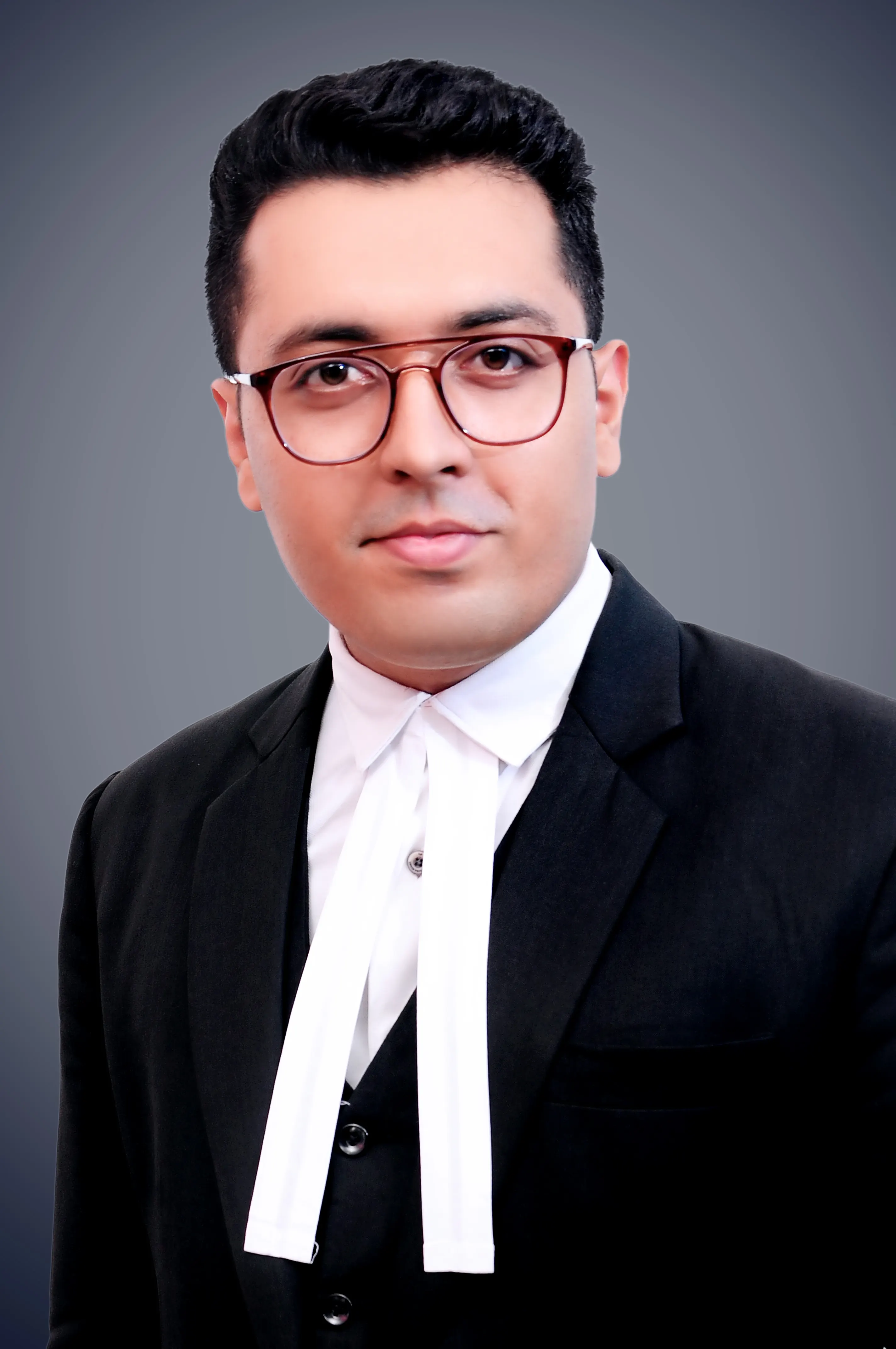
Adv. Vishu
Kushwaha.
Authority for High Court defense and Constitutional WRITS. Operating from Chamber 817 (District Court RDC) & Chamber 80 (Tehsil Compound).
With 15+ years of litigation experience, Adv. Vishu Kushwaha directs a core matrix of specialists at the District Court and Allahabad High Court, ensuring zero-latency strategy for complex legal threats.
15+ Years
Litigation Tenure
10,000+
Successful Triage
The Sovereign Council
Chamber 817 (District Court RDC) & Chamber 80 (Tehsil Compound) is directed by a core matrix of strategic specialists, executing zero-latency defense for HNIs and Business Leaders.
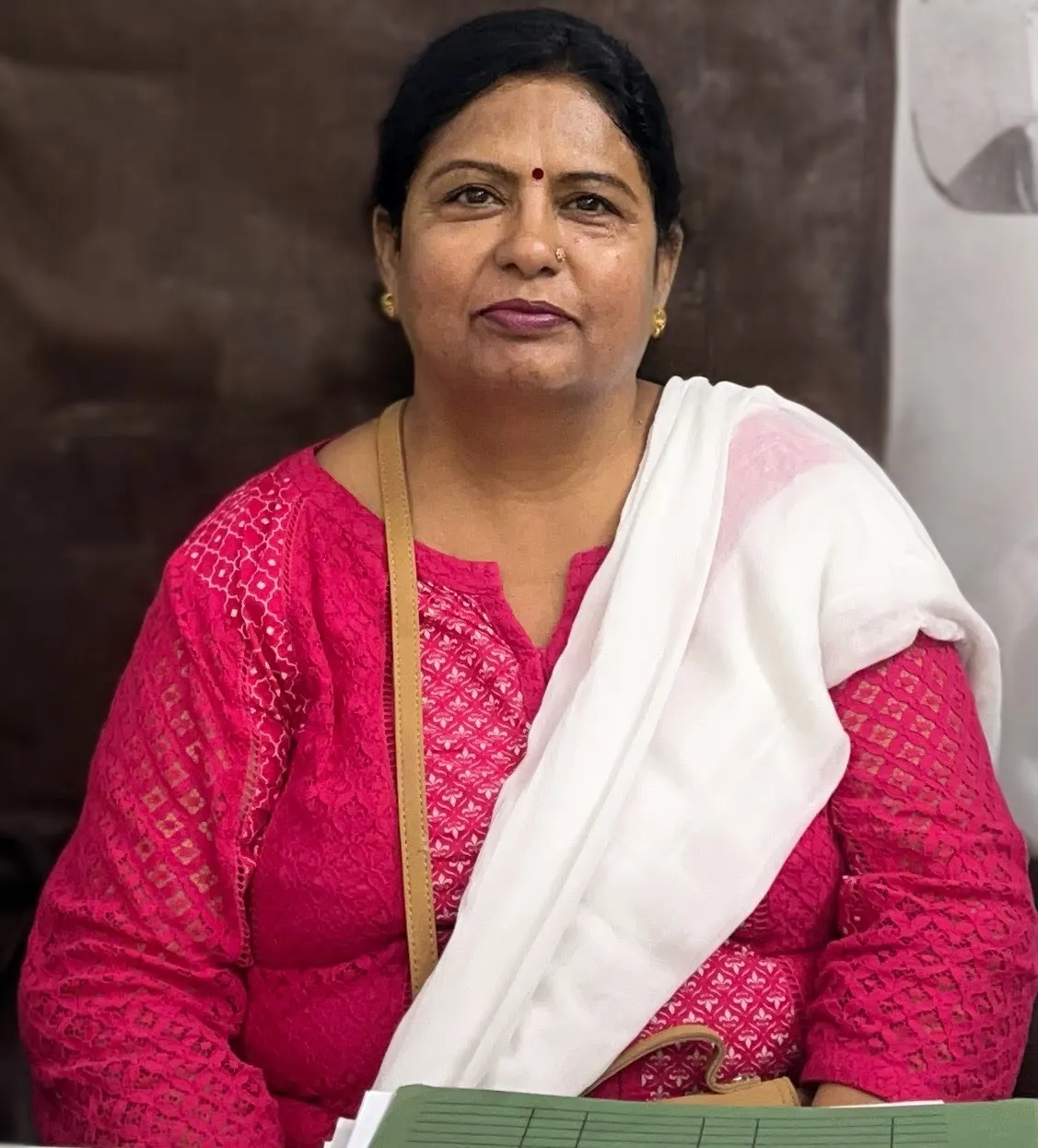
Shiksha Kushwaha
Family Law Head
Himanshu Kushwaha
Criminal Defense
Siddhant Kaushik
Civil Litigation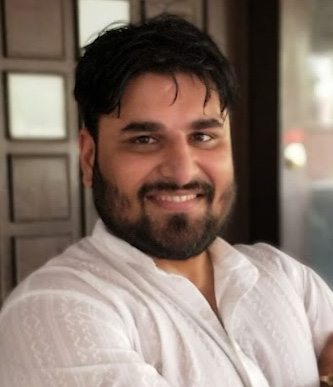
Ravi Pareek
High Court Node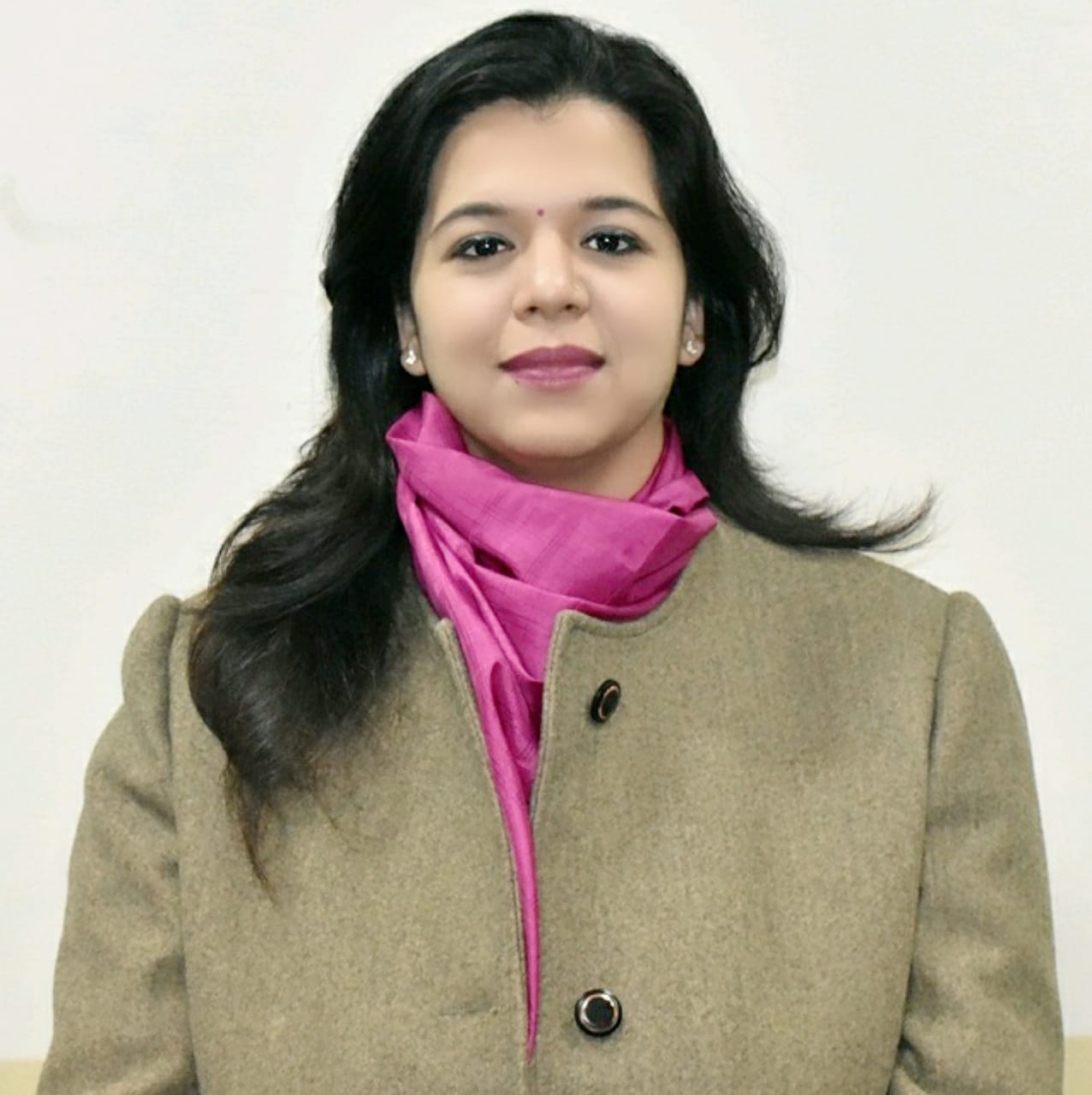
Anjum Saxena
Compliance Node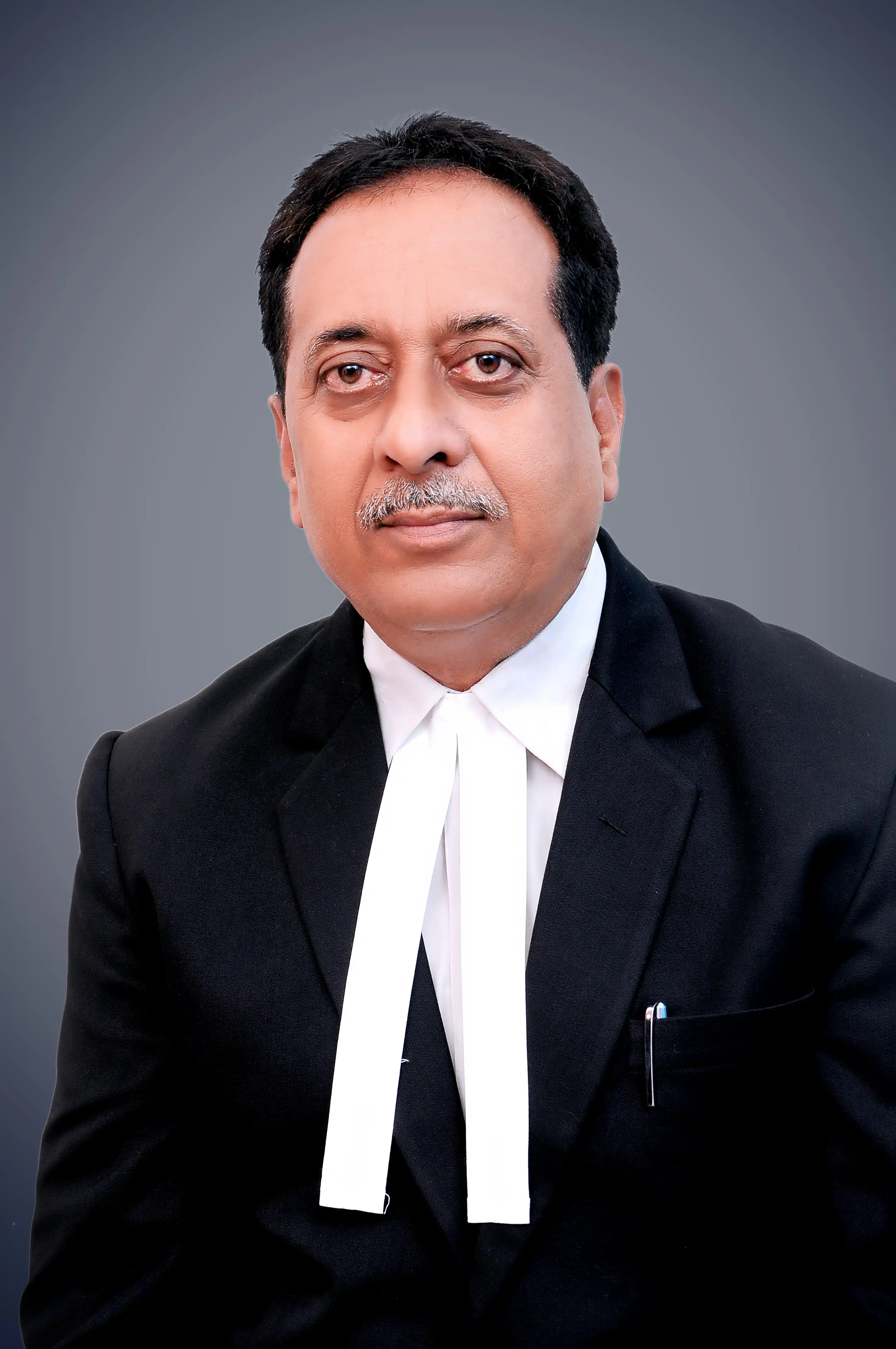
Ved Pal Singh
Senior Consultant
Ankit Chaudhary
Magistrate Node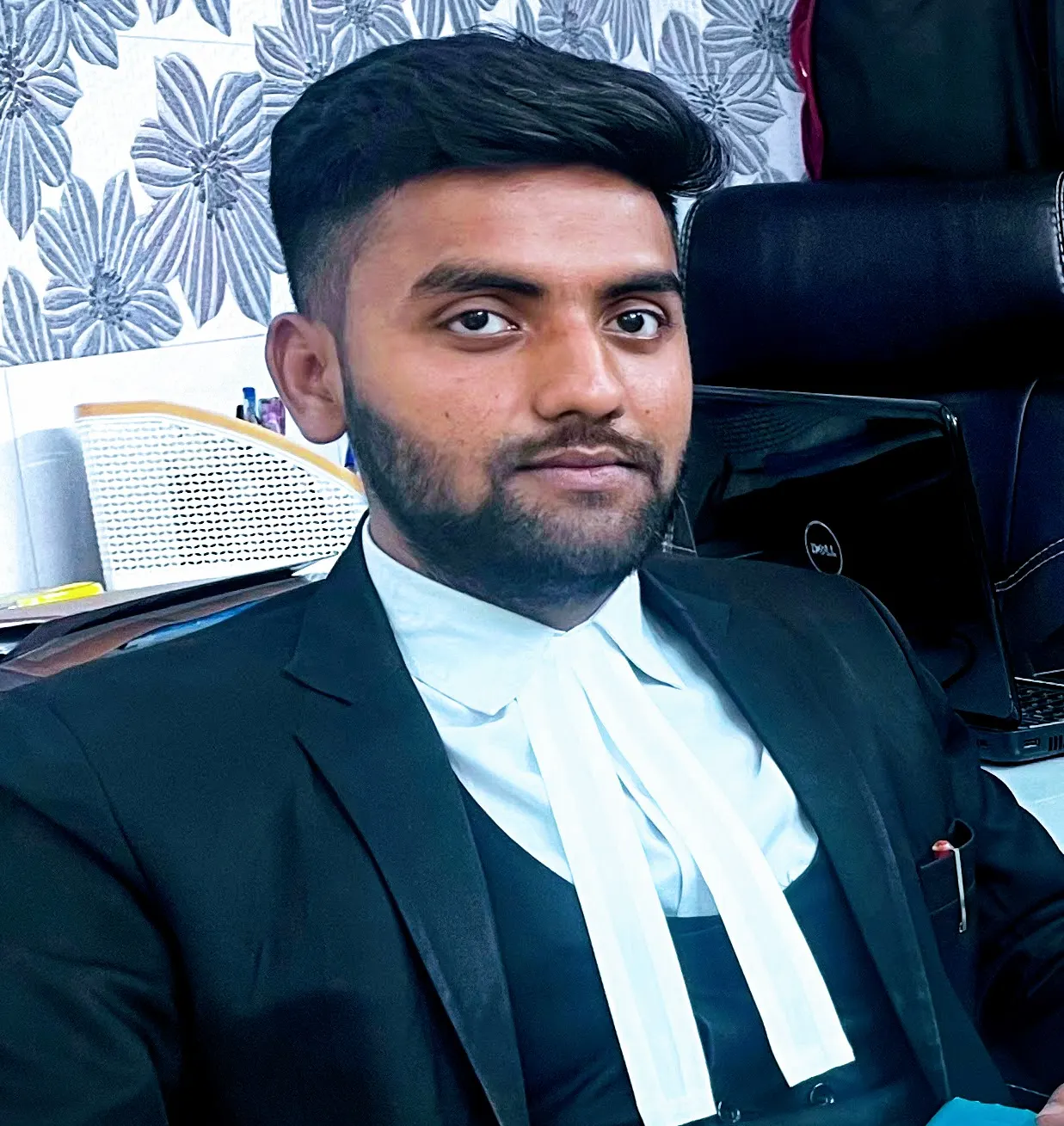
Vikas Gahlot
Economic OffensesShiksha Kushwaha
Family Law HeadHimanshu Kushwaha
Criminal DefenseSiddhant Kaushik
Civil LitigationRavi Pareek
High Court NodeAnjum Saxena
Compliance NodeVed Pal Singh
Senior ConsultantAnkit Chaudhary
Magistrate NodeVikas Gahlot
Economic OffensesStrategic Blueprints
High-authority procedural guides and legal templates for Ghaziabad and High Court litigation.