Best Criminal Advocate &
Divorce Lawyer in
Ghaziabad Court.
Advocate Vishu Kushwaha provides the definitive technical edge for BNSS 2024 Bail Protocols, Section 482 Quashing, and Corporate Risk Mitigation at the Ghaziabad District Court.
Legal Counsel & Representation in Ghaziabad District Court.
Providing strategic legal defense and consultations at Raj Nagar RDC, Ghaziabad. We specialize in handling high-stakes criminal defense, anticipatory bail applications, matrimonial disputes, mutual consent divorces, and property disputes across Uttar Pradesh.
- Top Legal Developments [27 July - 2 August 2026] | Anti-Paper Leak Bill; NEET Paper Leak Protest Violence case; Court Videos Reposting; Zepto trade mark case; and more
- Clear Dearness Allowance Dues Within 15 Days: Court Directs Punjab Government
- Umar Khalid, Sharjeel Imam Case Reflects India's UAPA Bail Crisis
- CJI Led Supreme Court Collegium Approves Early Transfer Policy for High Court Chief Justices
- Allahabad High Court urges long-term planning to protect religious cities from illegal development
- Supreme Court Directs Calcutta High Court To Re-Consider TMC MP Abhishek Banerjee's Foreign Travel Plea
- 'Stray cattle are not natural speed breakers': Supreme Court awards Rs 15 lakh compensation, seeks unifor
- Jantar Mantar Not A Proper Protest Site? Supreme Court Seeks Centre's Reply
- Tamil Nadu Approaches Supreme Court Over Cauvery Water Dispute With Karnataka
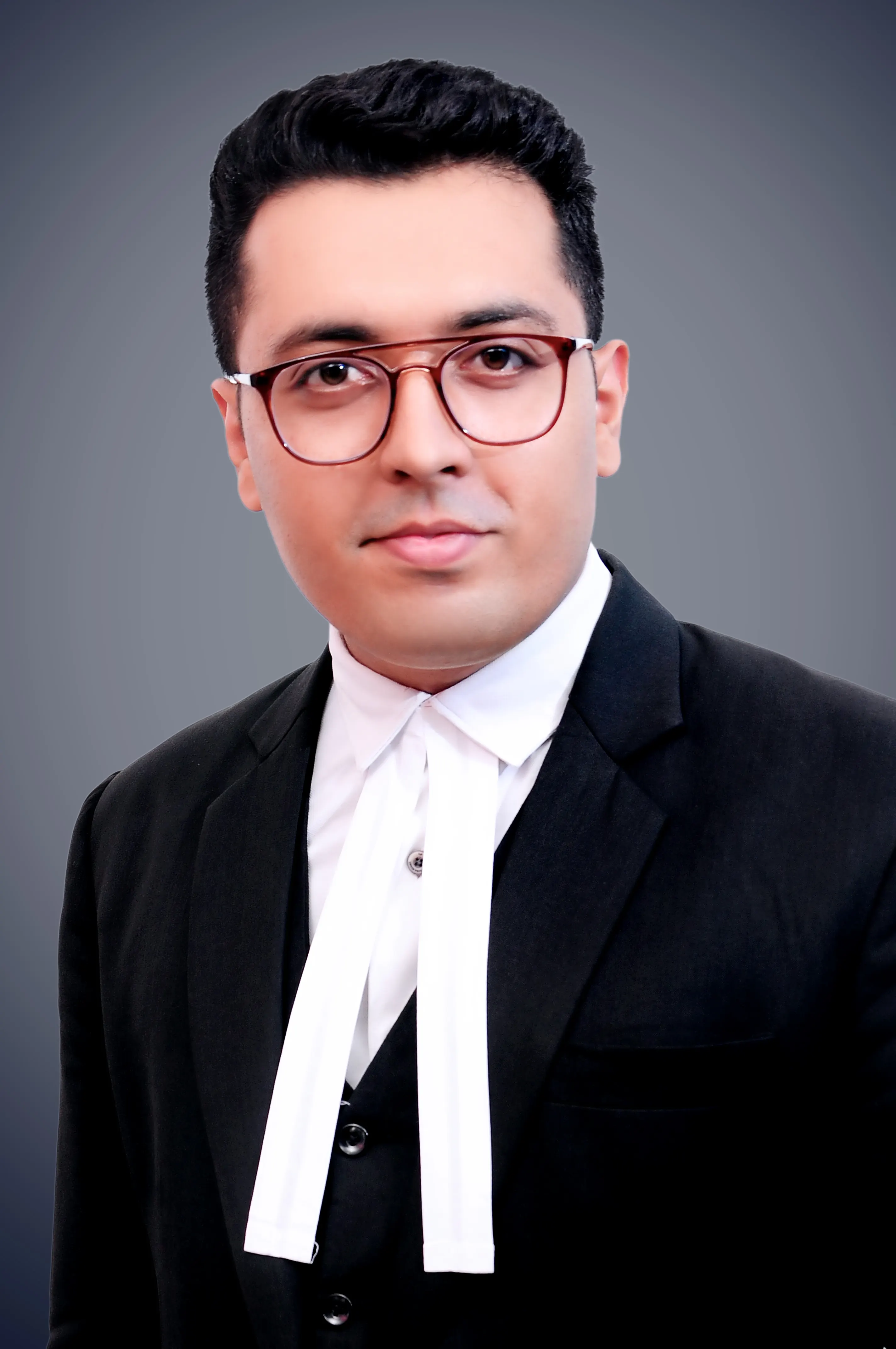
Adv. Vishu
Kushwaha.
Authority for High Court defense and Constitutional WRITS. Operating from Chamber 817 (District Court RDC) & Chamber 80 (Tehsil Compound).
With 15+ years of litigation experience, Adv. Vishu Kushwaha directs a core matrix of specialists at the District Court and Allahabad High Court, ensuring zero-latency strategy for complex legal threats.
15+ Years
Litigation Tenure
10,000+
Successful Triage
The Sovereign Council
Chamber 817 (District Court RDC) & Chamber 80 (Tehsil Compound) is directed by a core matrix of strategic specialists, executing zero-latency defense for HNIs and Business Leaders.
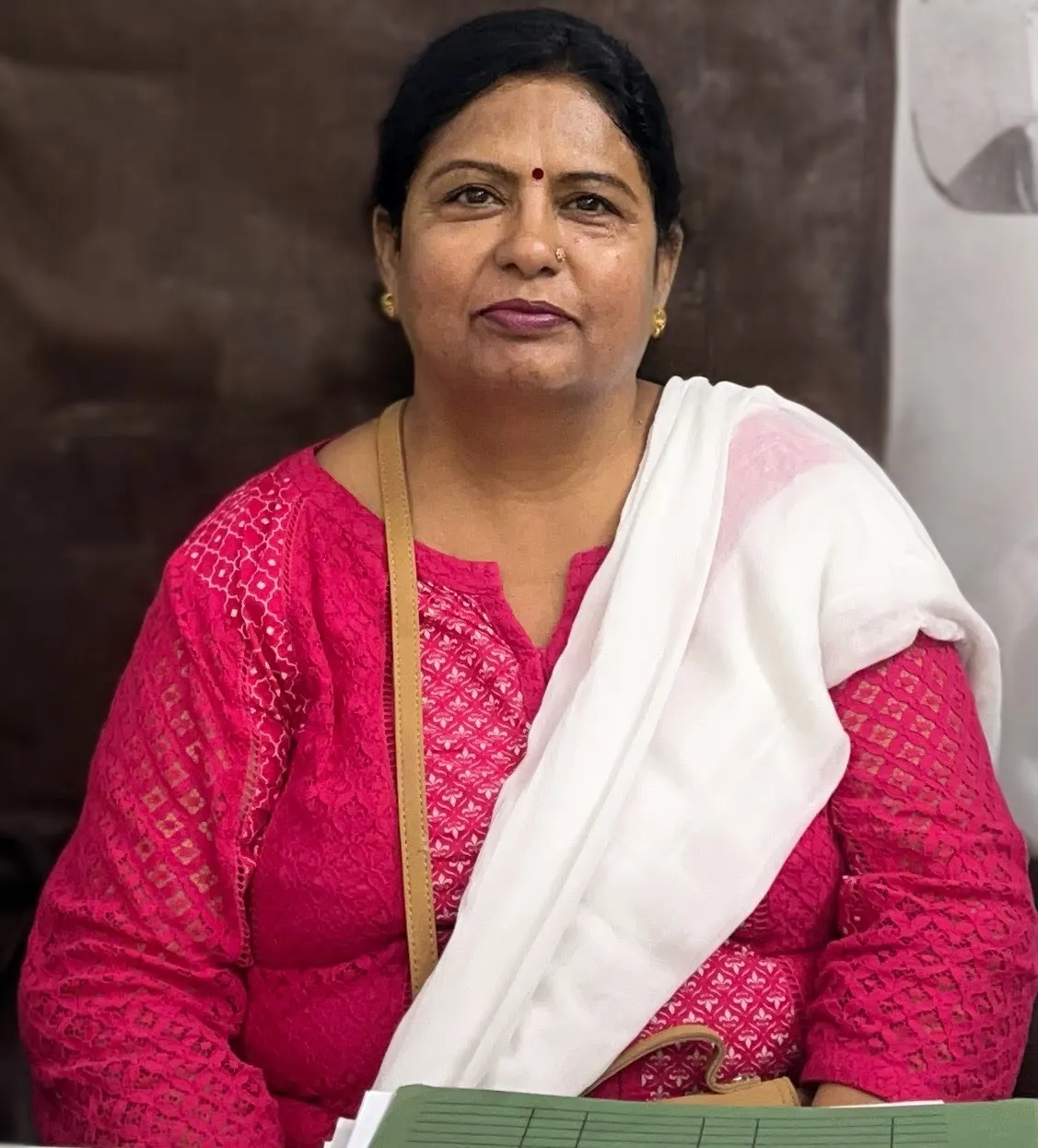
Shiksha Kushwaha
Family Law Head
Himanshu Kushwaha
Criminal Defense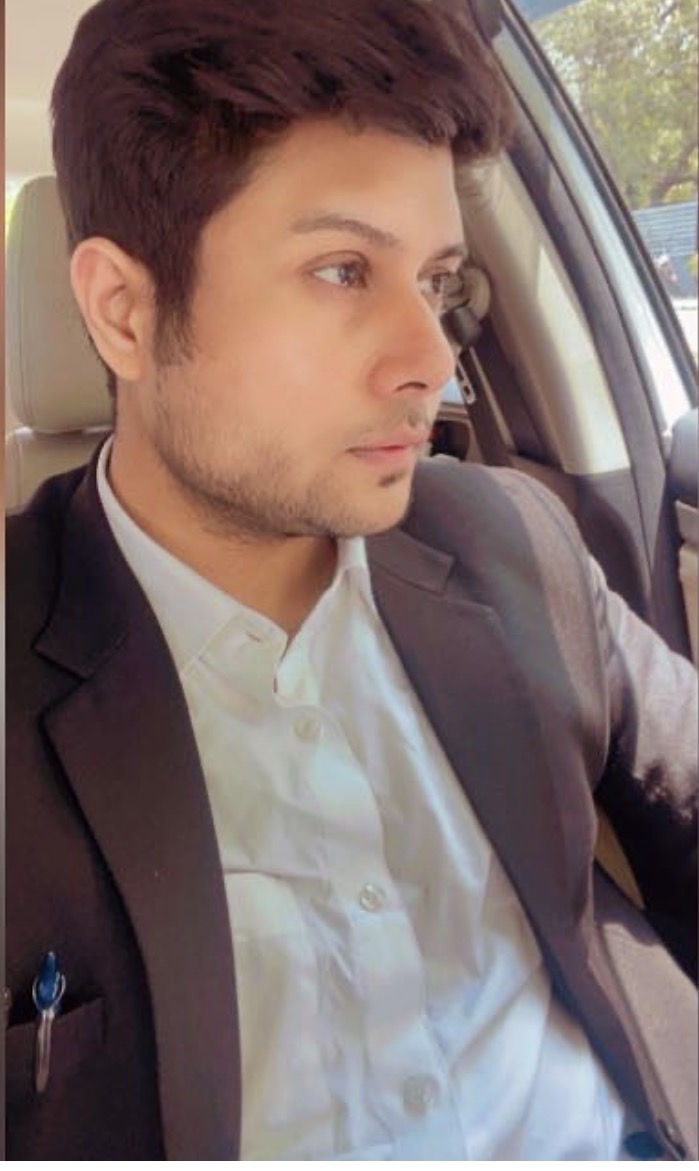
Siddhant Kaushik
Civil Litigation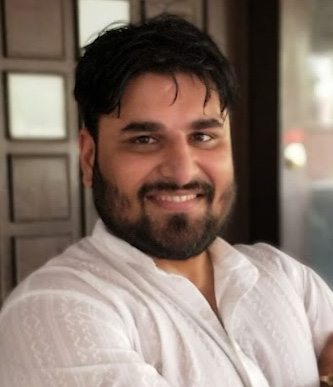
Ravi Pareek
High Court Node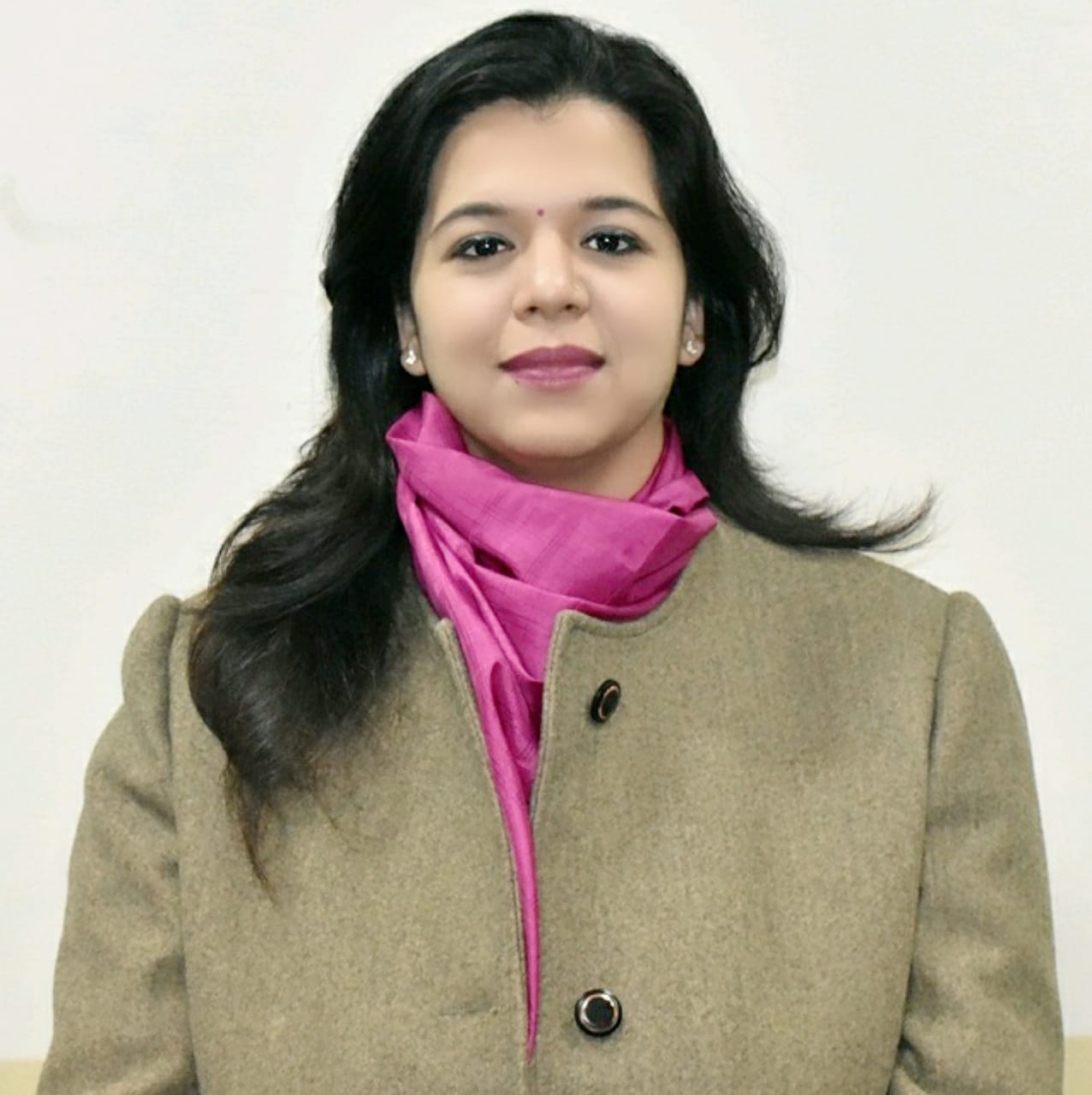
Anjum Saxena
Compliance Node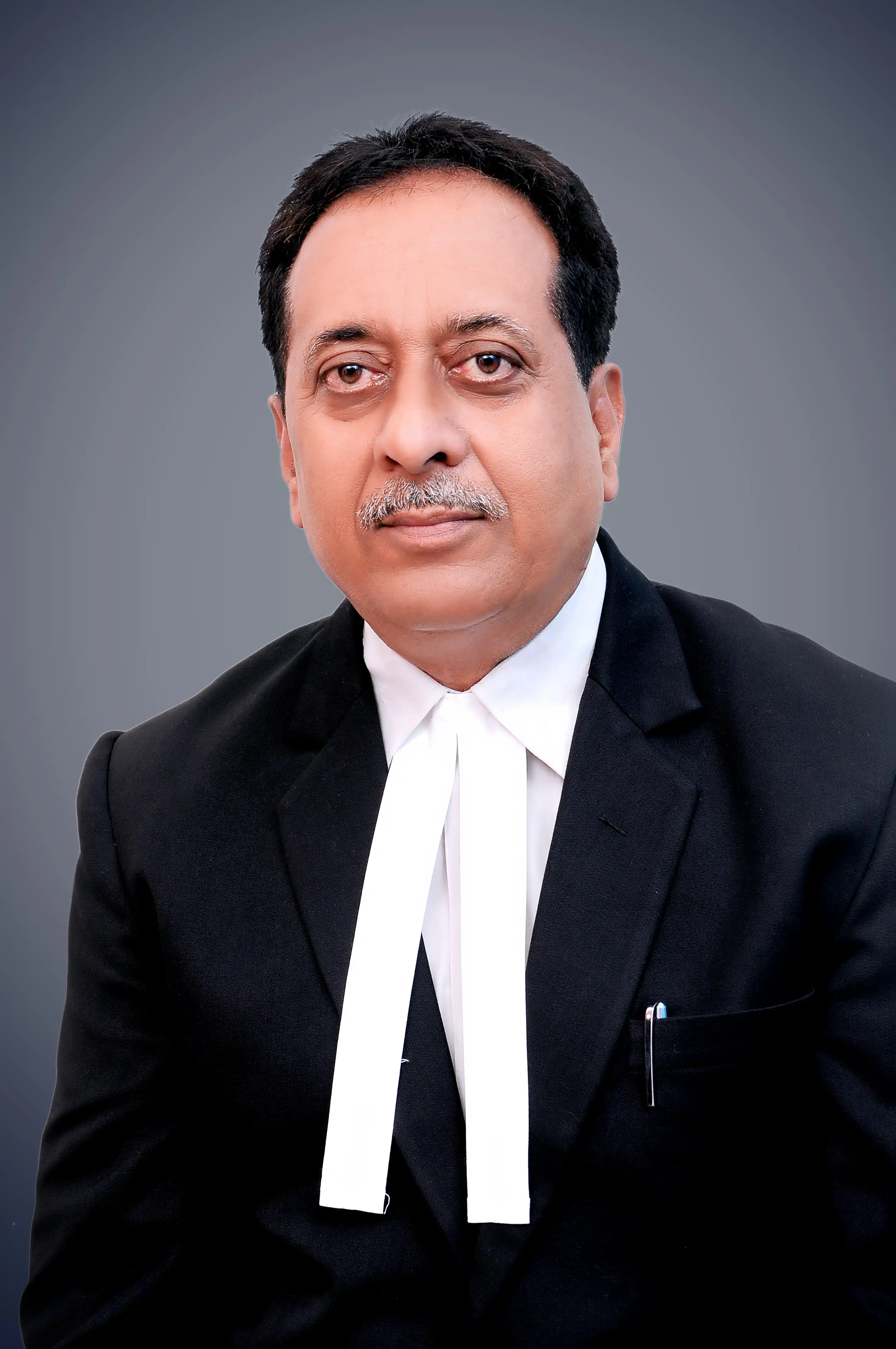
Ved Pal Singh
Senior Consultant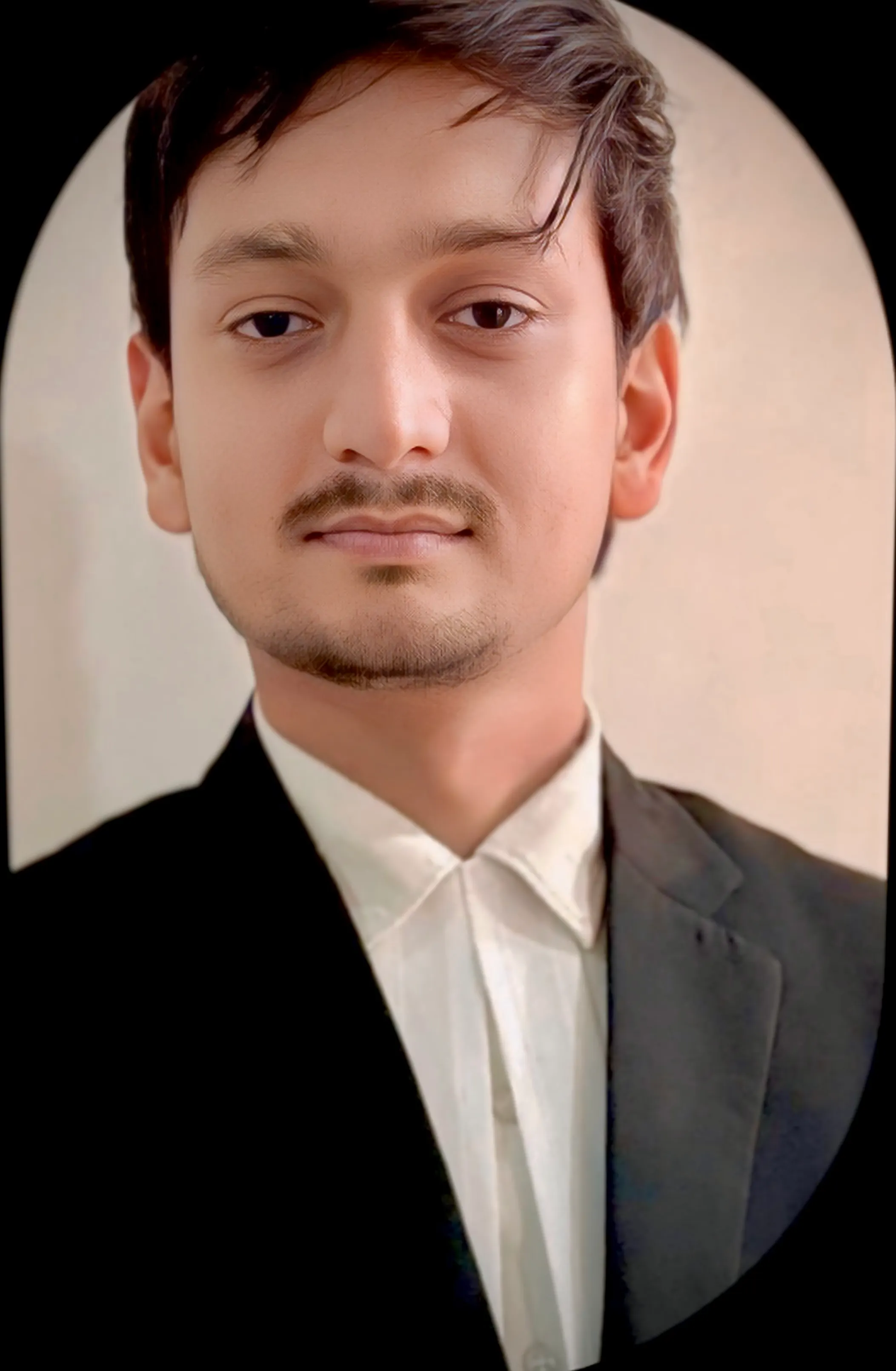
Ankit Chaudhary
Magistrate Node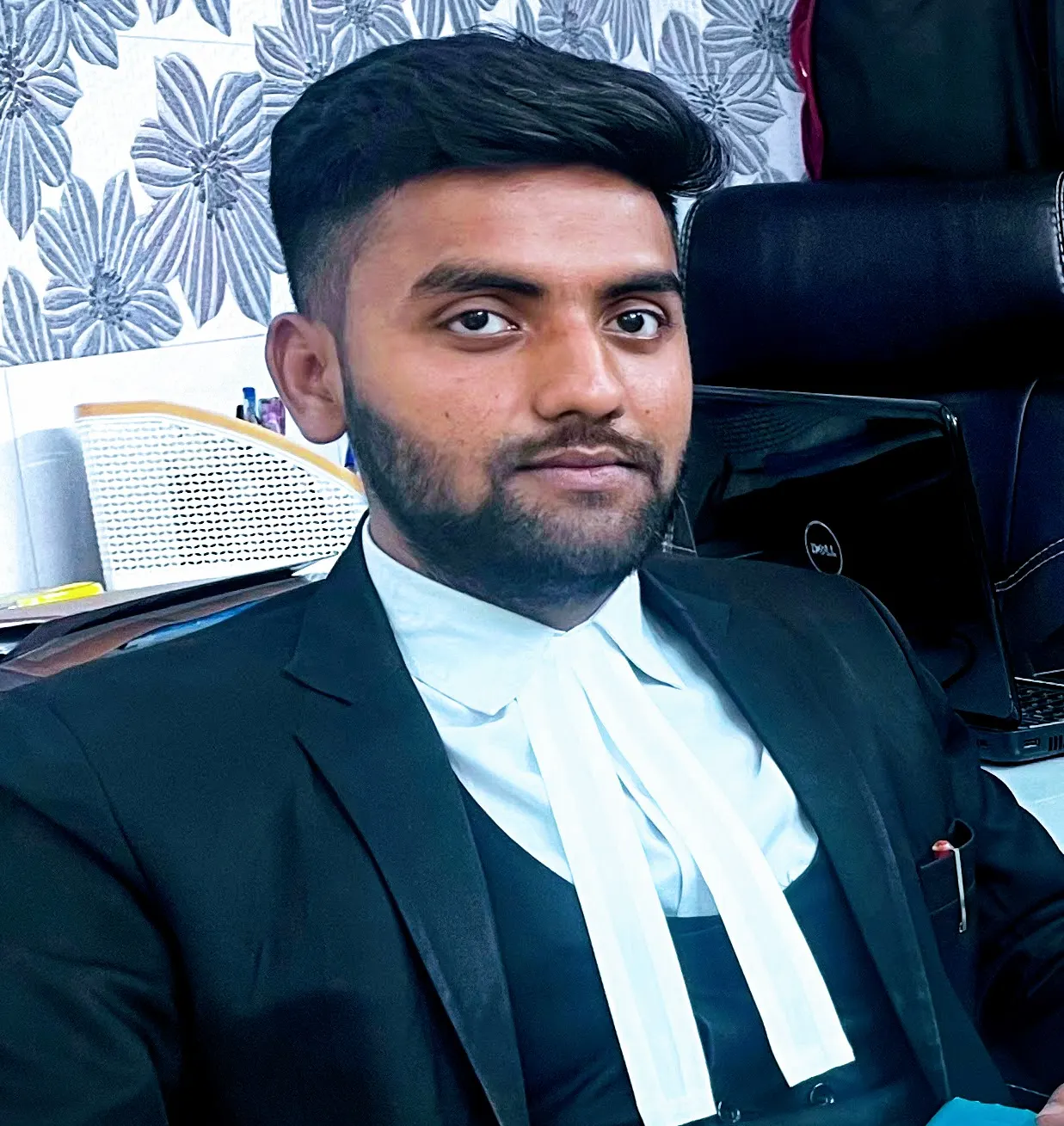
Vikas Gahlot
Economic OffensesShiksha Kushwaha
Family Law HeadHimanshu Kushwaha
Criminal DefenseSiddhant Kaushik
Civil LitigationRavi Pareek
High Court NodeAnjum Saxena
Compliance NodeVed Pal Singh
Senior ConsultantAnkit Chaudhary
Magistrate NodeVikas Gahlot
Economic OffensesStrategic Blueprints
High-authority procedural guides and legal templates for Ghaziabad and High Court litigation.